Max was a second-year high school student and always loved to write. He had an original style, liked to come up with interesting introductions and used metaphors that the literature teacher appreciated. When the school deployed a new system for automatic assessment of essays, all pupils were supposed to submit their texts to the school system, which evaluated them using artificial intelligence.
Max wrote an essay on the topic " The Value of Freedom in the Digital World". He presented his text from the point of view of a fictional robot who longed to become a human. However, when he received the ranking, he was shocked – the system assigned him a low score for "deviation from the topic", "absence of keywords" and "lack of structure".
Max knew that his text was of high quality, so he decided to go to the teacher. She read the essay and agreed that it was excellent – but at the same time she said that the grade was submitted by the system and she had to accept it.
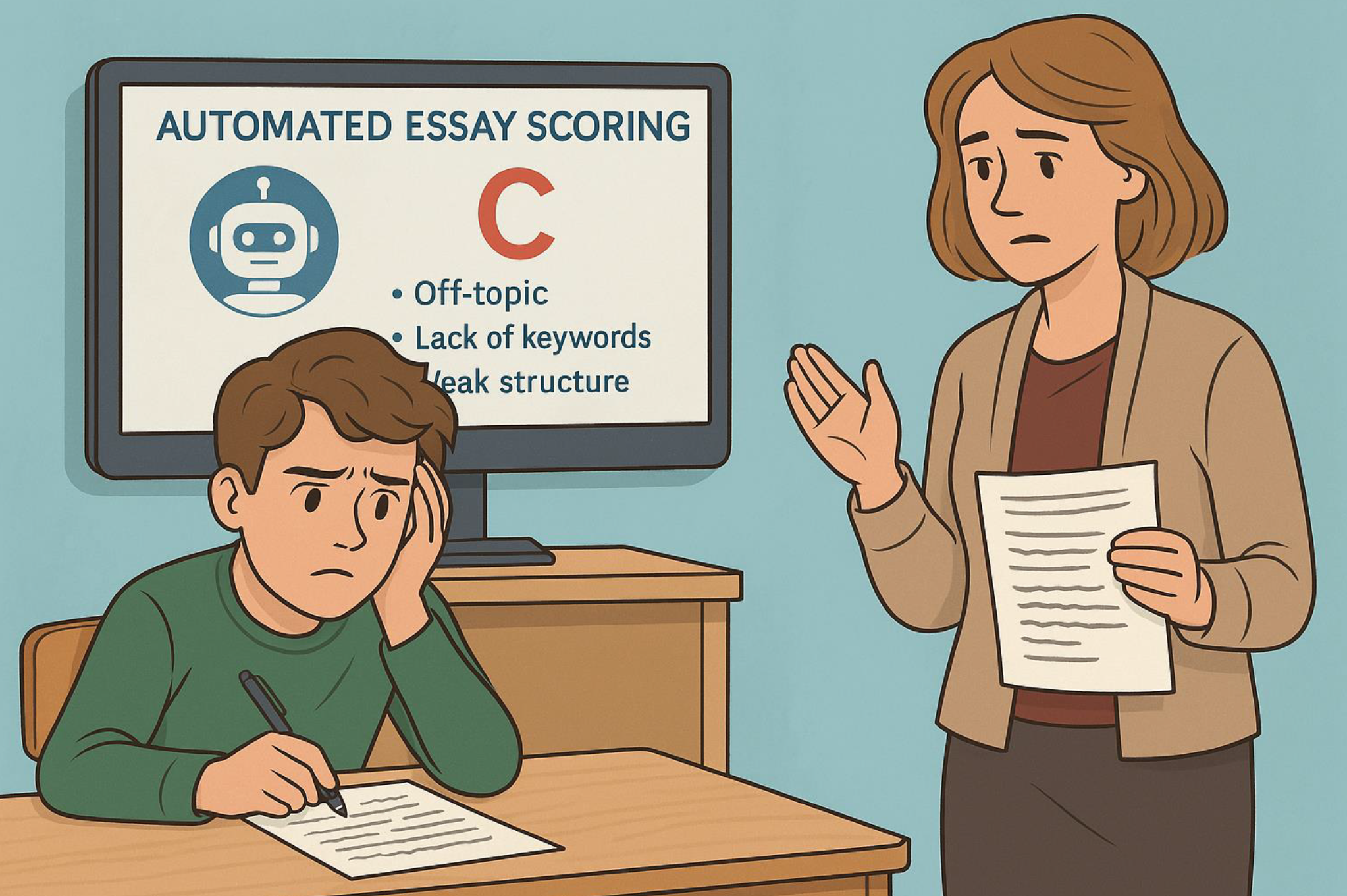
Later, Max learned that several classmates submitted texts in a template form – depending on how "the system likes it". Their grades were significantly better, even though they were mediocre works in terms of content. Max began to wonder whether it made sense to write honestly or whether he should adapt to the requirements of the machine.
Questions for discussion and reflection:
- How would you behave in Max's place? Would you try to bypass the system, adapt to it, or would you insist on your style and try to change the rules?
- What should a student do if they feel that they have been unfairly evaluated by an AI system? Should he appeal? And if so – to whom and how?
- How should a student (or teacher) act when they see that the AI system evaluates unfairly or recommends unfair decisions? Should he intervene? Report it? Or accept the state as "normal"?
Completion requirements:
- Submit feedback