Objective:
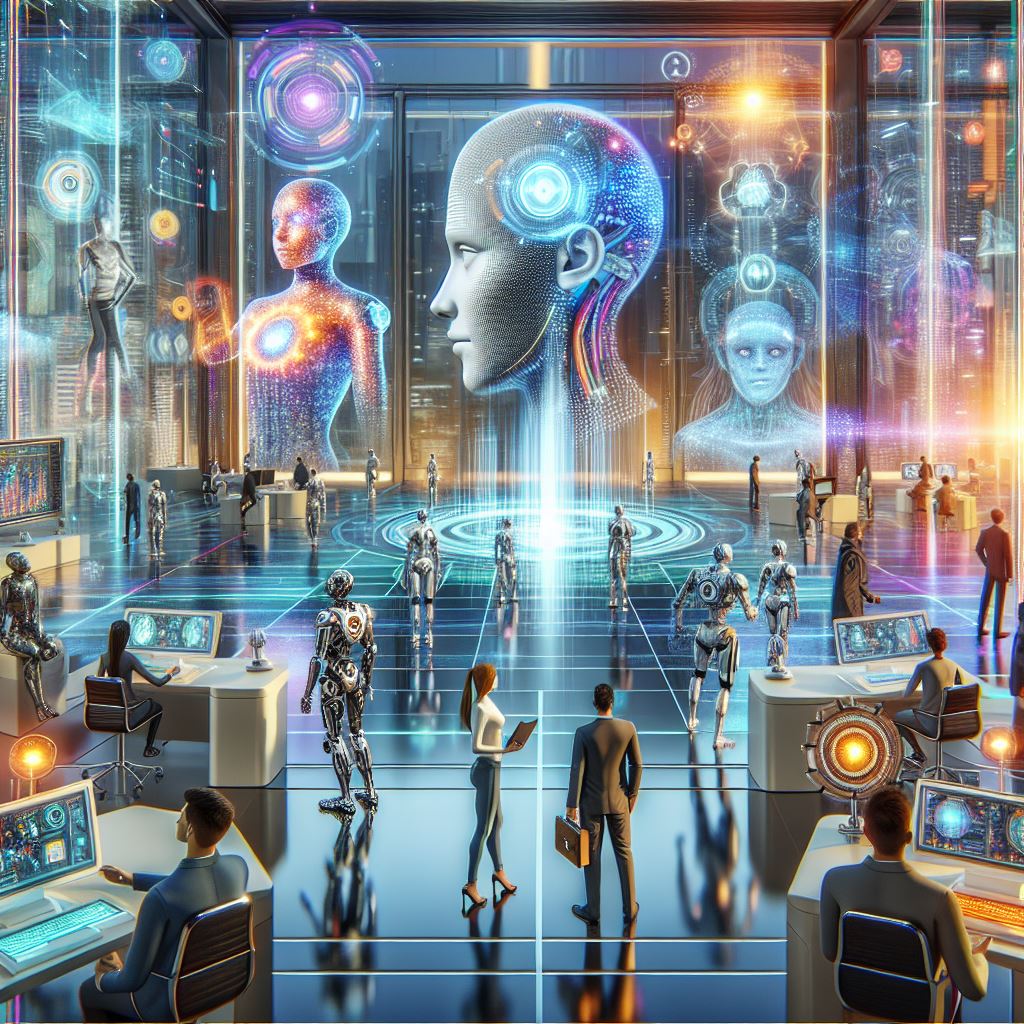
Explore the concept of superintelligence and its implications.
Duration:
30 minutes
Materials Needed:
- Computers or tablets with internet access
- Handouts with instructions and discussion points
Activity Steps
1. Introduction to Superintelligence (5 minutes)
Overview:
- Explain the concept of superintelligence, which refers to AI that surpasses human intelligence in all aspects, including creativity, problem-solving, and emotional intelligence.
- Discuss the theoretical nature of superintelligence and its potential to revolutionize various fields.
Objective:
- Explain that the goal of the exercise is to explore examples of superintelligence applications or theoretical scenarios and discuss their implications.
2. Research and Presentation Preparation (10 minutes)
Task Assignment:
- Ask students to use their computers or tablets to research examples of superintelligence applications or theoretical scenarios.
- Encourage them to look for innovative and thought-provoking examples that illustrate the potential of superintelligence.
Guidelines:
- Provide handouts with guidelines on what to include in their presentations:
- A brief description of the superintelligence application or scenario.
- The potential benefits and advancements it could bring.
- The ethical and practical challenges associated with it.
- Provide handouts with guidelines on what to include in their presentations:
Examples:
- Theoretical Scenario: An AI system that can solve complex scientific problems and make groundbreaking discoveries in medicine.
- Application: An AI that can autonomously design and optimize entire cities for maximum efficiency and sustainability.
3. Student Presentations (10 minutes)
Presentation:
- Each student presents their example of superintelligence to the class.
- Encourage them to explain why they chose their example and what they found most interesting about it.
Discussion:
- After each presentation, open the floor for questions and discussion.
- Ask the class to consider the potential impact of the superintelligence example on society.
4. Ethical and Practical Challenges (5 minutes)
Discussion Points:
Ethical Considerations:
- Discuss the ethical implications of superintelligence, such as the potential for misuse, loss of human control, and the need for ethical guidelines.
- Consider the impact on privacy, security, and individual rights.
Practical Challenges:
- Talk about the technical challenges in developing superintelligence, such as ensuring safety, reliability, and alignment with human values.
- Discuss the potential economic and social consequences, including job displacement and inequality.
Reflection:
- Encourage students to reflect on the balance between the benefits and risks of superintelligence.
- Discuss the importance of responsible AI development and the role of regulations in mitigating potential dangers.
Handout Example
Research Guidelines:
- Find an example of a superintelligence application or theoretical scenario.
- Include the following in your presentation:
- A brief description of the superintelligence.
- Potential benefits and advancements.
- Ethical and practical challenges.
Example Topics:
AI in Scientific Research:
- Description: An AI that can autonomously conduct experiments, analyze data, and make scientific discoveries.
- Benefits: Accelerated scientific progress, new treatments for diseases.
- Challenges: Ensuring ethical use, maintaining human oversight.
AI in Urban Planning:
- Description: An AI that designs and optimizes cities for efficiency and sustainability.
- Benefits: Improved quality of life, reduced environmental impact.
- Challenges: Balancing technological advancements with social equity, addressing privacy concerns.
Discussion Points:
- What are the potential benefits of superintelligence in your example?
- What ethical considerations should be taken into account?
- What practical challenges might arise in developing and implementing superintelligence?
- How can we ensure that superintelligence is developed and used responsibly?
Completion requirements:
- Make a submission